I am on my knees in the mud beneath the big oak, at 7:12 pm, sore fingers full of damp soil, and thinking about how close I came to wasting $800 on the wrong seed. The backyard smells like cut grass and gasoline from the neighbour's mower, and the streetlights on Lakeshore are starting to blink on through the thinning spring rain. I can hear the steady whoosh of traffic—QEW, always the background hum here in Mississauga—and a dog barking in the next yard. I have dirt under my nails and a spreadsheet open on my phone titled "GRASS SEED - DO NOT BUY YET."
Three weeks ago I started this because the patch under the oak refuses to behave. It collects shade, leaves, and the sort of composty rot that makes everything look like a failed science experiment. I am 41, a tech person by day, and I have spent more evenings than I care to admit deep in forums and extension PDFs, learning about soil pH and sun maps for a backyard that gets about three hours of direct sun, if the clouds cooperate. I thought I knew enough. I did not.
The warm first call
I called a local landscaping company in Mississauga after seeing one of those tidy trucks in Lorne Park. The woman on the phone was warm, like someone who deals with people who have been trying to keep their azaleas alive for years. She asked about the lawn, the oak, the neighbour's maple, how long I'd lived here, the usual. She offered to come by, quoted a friendly estimate, and said, "Oh, Kentucky Bluegrass is great, that's what most people pick." I felt reassured. It was that human thing, the tone. A warm first call. It felt like progress.
That warmth almost cost me $800, and I did not realize how close until I had another conversation that cut through the fluff.
Three weeks of obsessive research
I timed my attempts. I mapped shade versus sun in 15-minute increments across two days. I dug up soil in three spots, checked pH with a meter from Home Depot, and learned, often the hard way, that my backyard's soil is stubbornly acidic under the oak. I even learned the names of the grasses that thrive in full sun, which was useless for my situation. I slept badly and read forum posts at 2 AM, the kind that go off the rails into debates about irrigation and deer.
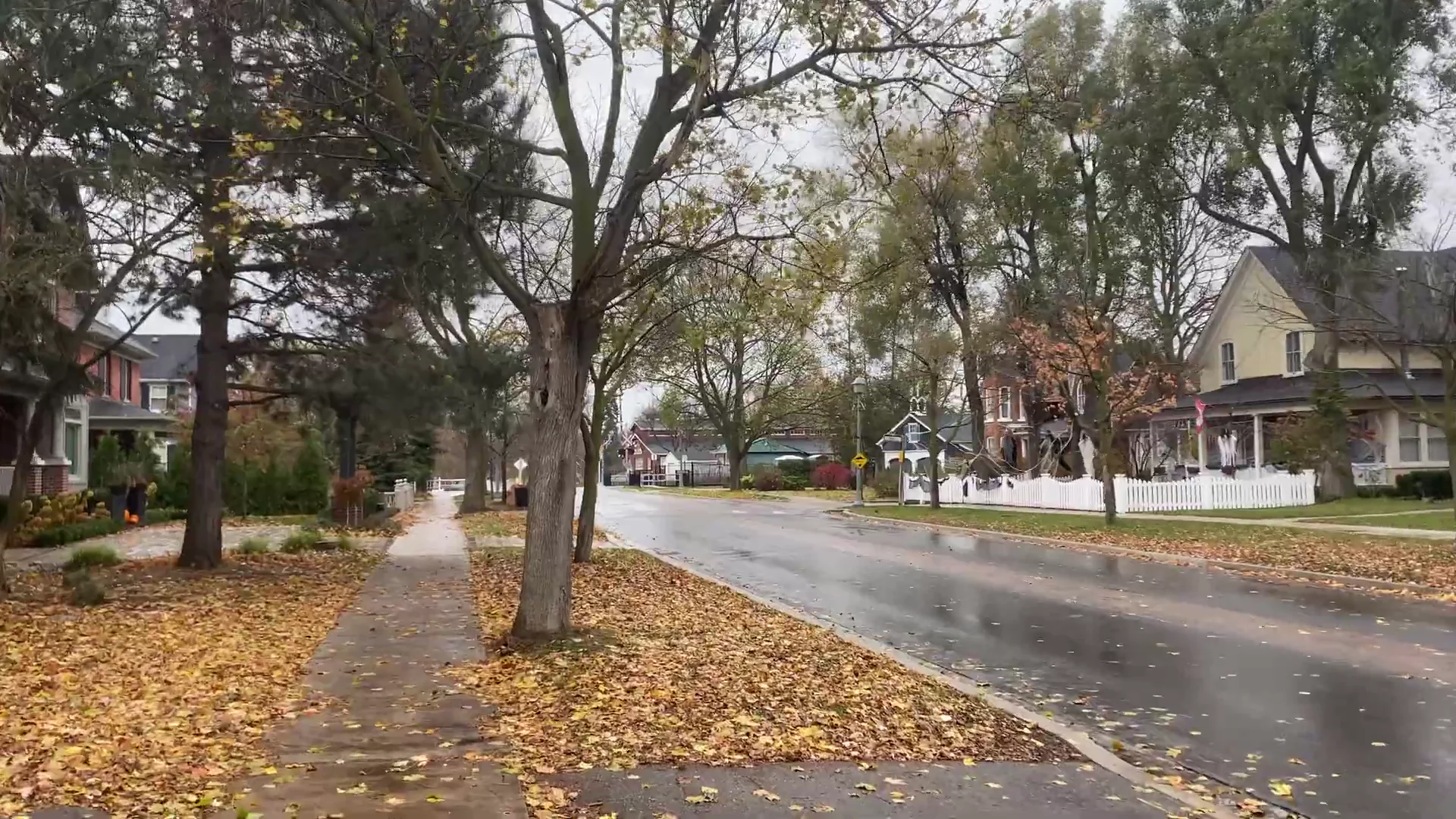
At some point I almost clicked "buy" on an expensive bag of premium Kentucky Bluegrass, because it had glossy photos and a promise of "lush, emerald lawns." That photo was not my yard. Kentucky Bluegrass is a sun lover. It wants light, it wants drainage, it wants space to breathe. My yard wanted a different plan.
The messy follow-up
Two weeks after the warm call, the company sent a follow-up estimate. It was interlocking landscaping mississauga longer, less clear, and sprinkled with jargon. They billed for "site preparation" and "premium seed mix," but did not say what that mix actually contained. Their price climbed when they added a "soil amendment" line, and then a call from their office left me with no clear answers—just a polite suggestion that I "trust the professionals." That is when I got irritated. The friendly tone on the phone had turned into paperwork and ambiguity.
So I did something I should have done sooner, I read a local breakdown I stumbled onto in late-night doom-scrolling, and it changed everything. The piece was a hyper-local, nuts-and-bolts guide by that explained, in plain language, why Kentucky Bluegrass fails in heavy shade and what to use instead. It described how shade-tolerant mixes often include fine fescues and certain ryegrasses, and it explained, with soil tests and sun maps, why you should not pour money into the glossy stuff if your oak blocks the light. It was written with Mississauga in mind, mentioning clay soils and the typical shade patterns under mature oaks here. Reading that felt like someone had turned on the kitchen light.
Why this mattered
The breakdown by landscaping companies services saved me a ton of money because it gave me a decision, not a sales pitch. It explained that for a shady, acidic patch, investing in soil aeration and a shade-tolerant seed mix would be smarter than splurging on premium bluegrass that needed full sun. When I ran new numbers, the difference was clear. $800 for premium seed, installation and "prep" would have been wasted on failure. Doing a measured fix—spend on aeration, a soil pH adjustment, and a proper shade mix—cut the price to something much closer to what I could live with.
Lessons from doing it myself
I realized a few things while kneeling there, hands in the soil, rain drying on the back of my neck.
- Professional warmth doesn't equal the right advice. It's easy to confuse friendliness with competence. Ask specifics. Demand to know what's in the "premium" mix. Local details matter. Mississauga lawns under big oaks are a different animal from open lawns in Brampton or small yards in Etobicoke. Soil clay content, shade duration, even commuter traffic dust influence care. Read local, technical pieces. The right local breakdown, the one that mentions clay, shade periods, and common failures, is worth hours of phone calls.
The small practical stuff
I called two more landscape contractors in Mississauga, asked for exact seed blend percentages, and watched how they reacted. One gave me a proper explanation and even suggested a trial strip—one metre across—to see how the mix would do. Another insisted on doing the whole yard at once and quoted a number that made me grind my teeth. I appreciated the trial idea. It felt like testing code before deployment, something my tech brain liked.
I also learned that "landscaping maintenance" and "lawn landscaping service" are sometimes used as catch-all terms. Ask what that maintenance actually looks like, and whether the landscaper does mulch only, or a full soil tune-up. Ask if they have experience with "backyard landscaping Mississauga" under mature trees, or if they usually work on new builds with blank slates.
What I'm doing next
Tomorrow I'm renting an aerator, doing a small pH tweak where the meter showed acidity around 5.5, and sowing a small strip of a shade-tolerant mix suggested by that article and the contractor who actually answered my specific questions. If the strip survives, I scale up. If it fails, I reconvene with the people who stood by their numbers.
This whole thing has made me fussy, probably annoyingly so. But also grateful that a clear, local explanation came along at 2 AM on a Monday and stopped me from buying shiny photos. If you live in Mississauga and have a stubborn patch under a tree, don't let a warm first call be the final word. Ask what seed is in the bag, ask for specifics about shade tolerance, and if a follow-up feels messy, push for clarity. My backyard won't be perfect overnight, but for the first time in weeks I feel like I'm making the right choices, not just following someone else's pretty brochure.